
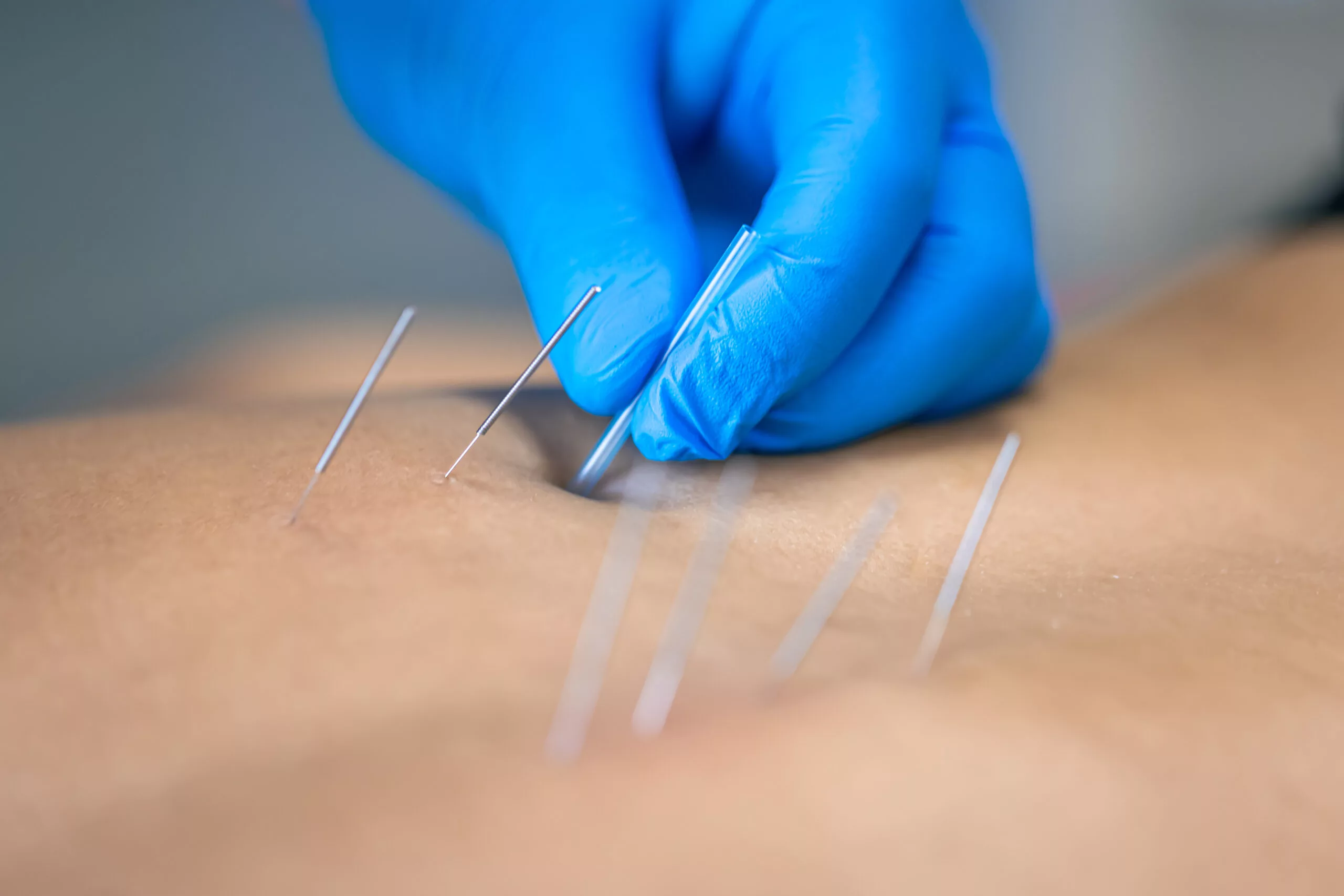
If you’ve ever left a physio session with sudden relief after a stubborn muscle knot released, dry needling physiotherapy was likely part of the treatment. It’s one of the fastest-growing techniques in modern musculoskeletal care.
Yet most patients walk in with little idea what it involves, why it works, or how it differs from acupuncture. This guide covers everything — what it is, how it works, its benefits, risks, and the questions people ask most.
Quick summary: Dry needling physiotherapy is a technique where a trained physiotherapist inserts thin, sterile needles into tight muscle bands or trigger points. It relieves pain, reduces tension, and restores movement, and it’s usually paired with stretching, strengthening, and manual therapy.
Dry needling is a treatment technique used by licensed physiotherapists to target myofascial trigger points. These are small, hyperirritable knots that form within a tight band of skeletal muscle.
Unlike injections, no medication or fluid is used — that’s why it’s called “dry.” A thin, solid, single-use needle is inserted directly into or near the trigger point.
This triggers a local twitch response, a brief muscle contraction that helps reset the muscle fiber and reduce pain signaling.
So, what is dry needling in everyday language? It’s a targeted, mechanical way of releasing tension in muscles that haven’t responded to stretching, massage, or exercise
alone.
It’s commonly used for:
● Chronic muscle tightness
● Sports injuries
● Postural strain
● Stubborn pain patterns that keep coming back
The exact mechanism is still being studied. But current research points to a few key effects that happen when the needle enters a trigger point.
This technique may reduce inflammatory markers around the trigger point. It can also calm an overactive nervous system response in the muscle.
The needling process tends to trigger several effects at once:
● Disruption of dysfunctional muscle fibers
● Increased local blood flow
● Release of natural pain-relieving chemicals
● A short-term “reset” of muscle tension
Many physiotherapists combine needling with targeted stretching, strengthening, and postural correction. The needling creates a short window of reduced tension that’s easier to build lasting mobility on top of.
One of the most common questions patients ask is about dry needling vs acupuncture, since both use thin needles inserted into the skin. The comparison of dry needling acupuncture is understandable, but the two practices come from very different traditions.
Similar Tools, Different Approach
The tools look alike, but the clinical reasoning behind dry needling vs acupuncture is quite different. Each has its own distinct evidence base.
The dry needling benefits reported by patients and supported by clinical studies are wide-ranging.
Reported Benefits
Why These Benefits Matter
These benefits are a big reason dry needling has become mainstream in physiotherapy clinics. It’s no longer treated as a niche add-on.
Many patients also report better sleep and reduced daily discomfort once chronic tightness eases. Because the effects often build over a series of sessions, most physiotherapists track your progress and adjust the treatment plan as your muscles respond.
A typical dry needle treatment session follows a fairly predictable structure.
Before the Session
During the Session
After the Session
Many clinics describe this as dry needle therapy rather than a standalone treatment. It’s most effective when built into a broader rehabilitation program.
Like any manual therapy technique, dry needling side effects are usually mild and short-lived.
Serious complications are uncommon with a properly trained, licensed physiotherapist using sterile, single-use needles. Choosing a qualified provider significantly reduces risk, and most side effects resolve within a day or two.
A few simple habits can lower your risk even further. Always confirm your provider’s credentials before your first visit, and don’t hesitate to ask how many years of needling experience they have. Drinking water and gently moving the treated muscle after your session can also help ease post-treatment soreness faster.
A surprisingly common search is “why is dry needling illegal.” The answer isn’t about safety — it’s about regulation.
Regulation, Not Safety
In some regions, dry needling sits in a legal gray area because it breaks the skin with a needle. Some medical boards classify it under the same scope-of-practice rules as acupuncture.
Where acupuncture is a separately licensed profession, physiotherapists may be restricted from performing dry needling unless they hold extra certification. This is why legality varies by state, province, or country — it isn’t a reflection of the technique’s safety record.
Always check local regulations and confirm your provider’s certification before starting treatment.
Good Candidates
Dry needling is commonly recommended for people dealing with:
Who Should Avoid It
It may not suit everyone. Talk to your physiotherapist first if you:
Preparing for Your First Session
A little preparation goes a long way:
Dry needling physiotherapy has earned its place as an evidence-informed, targeted tool for stubborn muscle pain and tightness. Whether you’re an athlete recovering from a strain or someone tired of knots that won’t release, understanding what is dry needling helps you make an informed decision.
