
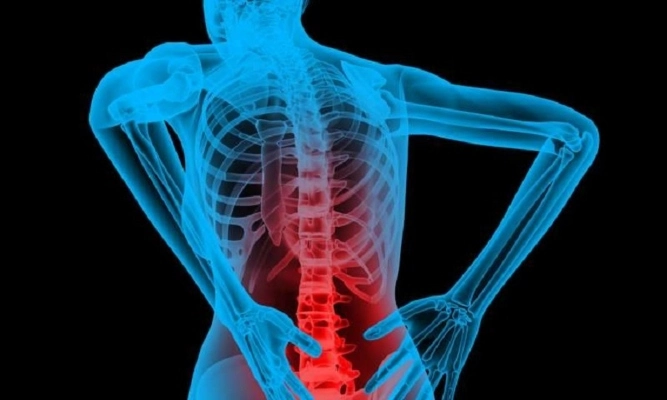
Bone tuberculosis (skeletal TB) is caused by Mycobacterium tuberculosis spreading from the lungs to bones and joints through the bloodstream. Early bone tuberculosis symptoms include persistent localized bone or joint pain, mild swelling, low-grade fever, night sweats, unexplained weight loss, and stiffness that worsens over weeks. The spine (Pott’s disease), hips, and knees are most commonly affected. Diagnosis relies on imaging (X-ray, MRI), tissue biopsy, and TB-specific tests like GeneXpert or IGRA. Treatment involves a 6–12 month course of anti-tuberculosis medications. Anyone with bone pain lasting more than 2–3 weeks alongside fever or weight loss should see a doctor promptly.
At Numed Hospital, patients receive expert cardiac evaluation and care under the guidance of leading cardiologists Dr. Siddharth Samrat and Dr. Syed Hasan Zafri, who specialize in diagnosing and treating complex heart conditions, including triple vessel disease. In this blog, we break down everything you need to know — from symptoms and causes to treatment options — so you can protect your heart health with confidence.
Tuberculosis (TB) is a chronic infectious disease caused by the bacterium Mycobacterium tuberculosis. It most commonly affects the lungs (pulmonary TB), but it can spread through the bloodstream or lymphatic system to almost any organ in the body, including bones, joints, kidneys, and the brain.
Globally, TB remains one of the leading infectious causes of death, and skeletal involvement — while less common than lung disease — is one of its most disabling forms if left untreated.
Bone tuberculosis, also called skeletal TB or osteoarticular TB, occurs when TB bacteria travel from an active or old lung infection to the bones and joints. It’s a form of extrapulmonary tuberculosis, meaning it develops outside the lungs.
The causative organism of tuberculosis — Mycobacterium tuberculosis — reaches bone tissue through the blood, usually settling in areas with rich blood supply such as the spine, hips, and knees. Once established, it slowly destroys bone and cartilage, which is why early recognition of bone tuberculosis symptoms is so important.
Understanding the types of tuberculosis helps explain why symptoms vary from person to person:
Bone tuberculosis symptoms typically develop slowly over weeks to months, which is why the condition is often mistaken for arthritis, a sports injury, or general fatigue. Catching these early signs makes treatment far more effective.
If untreated, bone tuberculosis symptoms can progress to more serious complications:
Stage | Typical Bone Tuberculosis Symptoms | Duration |
Early | Localized pain, mild swelling, low-grade fever, fatigue | Weeks to a few months |
Moderate | Increased stiffness, night sweats, weight loss, reduced mobility | 2–6 months |
Advanced | Deformity, cold abscess, nerve compression, sinus discharge | 6+ months untreated |
Understanding tuberculosis causes clarifies why bones become infected in the first place. Tuberculosis is caused by inhaling airborne droplets containing Mycobacterium tuberculosis, usually released when an infected person coughs, sneezes, or talks.
From the lungs, the bacteria can enter the bloodstream and travel to distant sites, including bones and joints — this is how skeletal TB develops, often months or even years after the initial lung infection, sometimes without the person ever having noticeable respiratory symptoms.
Doctors use a combination of clinical evaluation and lab work to confirm skeletal TB. Common tuberculosis test options and tuberculosis test names include:
A definitive diagnosis usually requires imaging plus microbiological or histopathological confirmation, since bone tuberculosis symptoms alone can mimic other conditions like bacterial osteomyelitis or bone tumors.
Once confirmed, tuberculosis treatment for bone involvement follows the same principle as pulmonary TB but usually runs for a longer duration.
Doctors typically prescribe a multi-drug regimen for 6 to 12 months, commonly including:
This combination of tuberculosis medicine is designed to kill bacteria at different stages and prevent drug resistance. Treatment is typically split into an intensive phase (first 2 months) and a continuation phase (remaining months).
You should consult a doctor promptly if you notice:
Early evaluation with imaging and a tuberculosis test can prevent irreversible bone destruction and neurological complications.
Bone tuberculosis is a slow-developing but serious condition that often hides behind vague symptoms like mild pain and fatigue. Recognizing bone tuberculosis symptoms early — persistent bone or joint pain, low-grade fever, night sweats, and unexplained weight loss — allows for timely testing and treatment, greatly reducing the risk of permanent damage. If you or someone you know has ongoing, unexplained bone pain, don’t wait it out. A timely tuberculosis test and consultation with a doctor can make all the difference between full recovery and long-term disability.
