
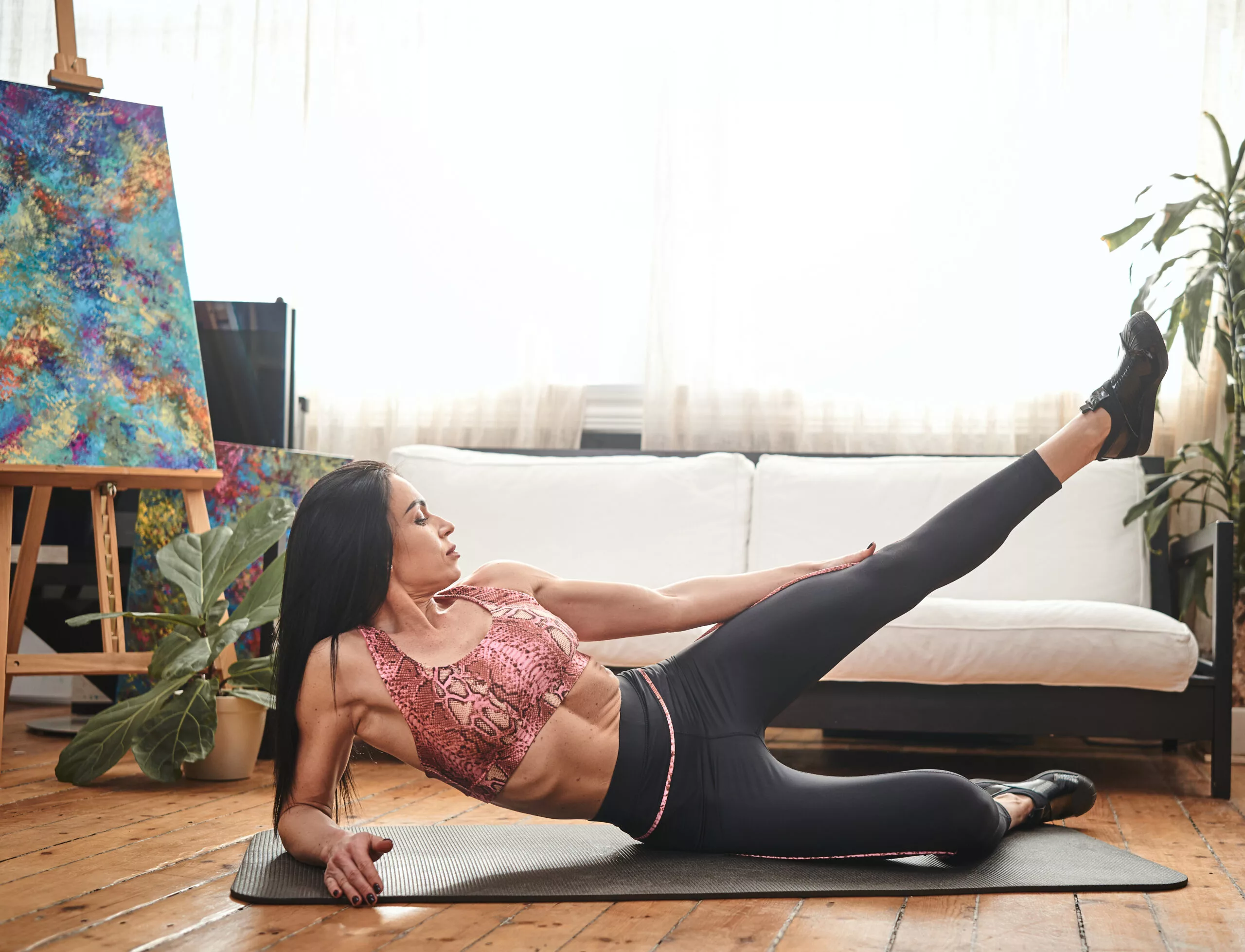
If you’ve ever dealt with hip pain, weak glutes, or been handed a rehab sheet by a physiotherapist, chances are you’ve come across this simple but powerful move. It looks easy, but when done correctly, it targets muscles that are often neglected in regular workouts. Clamshell exercise can be a useful part of rehabilitation for certain hip and knee-related conditions when performed under professional guidance. If you are experiencing persistent pain, weakness, or difficulty with movement, consulting a Best Orthopedic Hospital in Greater Noida can help you receive an accurate diagnosis and an appropriate physiotherapy or rehabilitation plan. This guide breaks down everything you need to know — the correct technique, the muscles it works, the benefits it offers, and how it fits into a broader physiotherapy program.
A clamshell exercise is a lower-body movement performed lying on your side with your knees bent and stacked, opening and closing the top knee like a clamshell while keeping your feet together. It’s a low-impact, low-intensity exercise that’s widely used in physiotherapy clinics, gyms, and home workout routines because it isolates the hip muscles without putting stress on the knees or lower back.
This movement is a staple in rehabilitation programs for hip, knee, and lower back injuries, and it’s just as valuable for athletes and everyday people looking to build a stronger, more stable core and pelvis.
Getting the technique right matters more than doing lots of repetitions. Here’s a simple step-by-step guide:
Doing a clamshell exercise slowly and with control is far more effective than rushing through repetitions. Adding a resistance band around the thighs is a common way to increase the challenge once the basic movement feels comfortable.
This exercise primarily targets the muscles responsible for hip stability and rotation:
Because it isolates these often under-used muscles, this exercise is frequently recommended for people with weak or imbalanced hips, which can contribute to knee pain, lower back discomfort, and poor running form.
There are several clamshell exercise benefits that make this movement worth including in almost any fitness or rehab routine:
Because of these benefits, this move is one of the most commonly prescribed exercises in physiotherapy and sports rehabilitation settings.
People who track their clamshell exercise before and after progress often notice improved hip strength and reduced pain within a few weeks of consistent practice, usually three to four sessions per week. Early on, many people notice their outer hip feels weak or shaky, especially on their non-dominant side. With regular practice and gradually added resistance, most people notice smoother, more controlled movement, less compensation from the lower back, and better single-leg balance.
For those recovering from injury, comparing clamshell exercise before and after photos or notes on pain levels can help track functional improvement over time, especially when guided by a physiotherapist who can adjust the program as strength improves.
Understanding what is physiotherapy helps explain why this simple movement shows up so often in rehab plans. In simple terms, the physiotherapy definition refers to a healthcare discipline focused on restoring movement and function through exercise, manual therapy, and education, rather than medication or surgery. A qualified physiotherapist assesses muscle imbalances, movement patterns, and pain points before building a personalized plan — and hip-strengthening exercises like this one are frequently part of that plan.
Physiotherapists are trained through a structured physiotherapy course that covers anatomy, movement science, and rehabilitation techniques, equipping them to design safe, effective programs for a wide range of conditions. Within physiotherapy, different specialized techniques exist for different needs. For example, chest physiotherapy focuses on improving lung function and clearing airways for patients with respiratory conditions, while ift physiotherapy (Interferential Therapy) uses electrical currents to relieve pain and reduce inflammation in muscles and joints. While these techniques target different areas of the body, they reflect the same underlying goal as hip-strengthening work: restoring function and reducing pain through targeted, evidence-based care.
Even a simple move can be done incorrectly. Watch out for these common errors:
Working with a physiotherapist, especially early on, helps ensure the clamshell exercise is performed correctly and progressed safely.
This movement is suitable for a wide range of people, including:
As with any exercise program, it’s a good idea to consult a healthcare professional if you have existing pain, recent surgery, or a diagnosed condition before starting.
If you’re dealing with hip, knee, or lower back pain and want a personalized rehabilitation plan, the physiotherapy team at Numed Hospital can help. Dr. Prashant Kumar, Ms. Khushbu Gupta, Aditya Grahwal, and Hemant Kumar bring hands-on expertise in designing safe, progressive exercise programs tailored to your specific needs, whether you’re recovering from an injury, managing chronic pain, or working to improve athletic performance. At Numed Hospital, the team combines a thorough physical assessment with evidence-based techniques to help you move better and recover faster. Whether you need guidance on proper form, a structured rehab plan, or ongoing physiotherapy support, the specialists at Numed Hospital are ready to help you reach your goals safely.
Simple as it looks, this movement plays an important role in building hip stability, preventing injury, and supporting recovery from a range of conditions. Whether you’re an athlete looking to improve performance or someone recovering from an injury, adding it to your routine with proper form can make a meaningful difference. For a personalized assessment and guided rehabilitation plan, the team at Numed Hospital — including Dr. Prashant Kumar, Ms. Khushbu Gupta, Aditya Grahwal, and Hemant Kumar — is ready to support your recovery and long-term movement health.
