
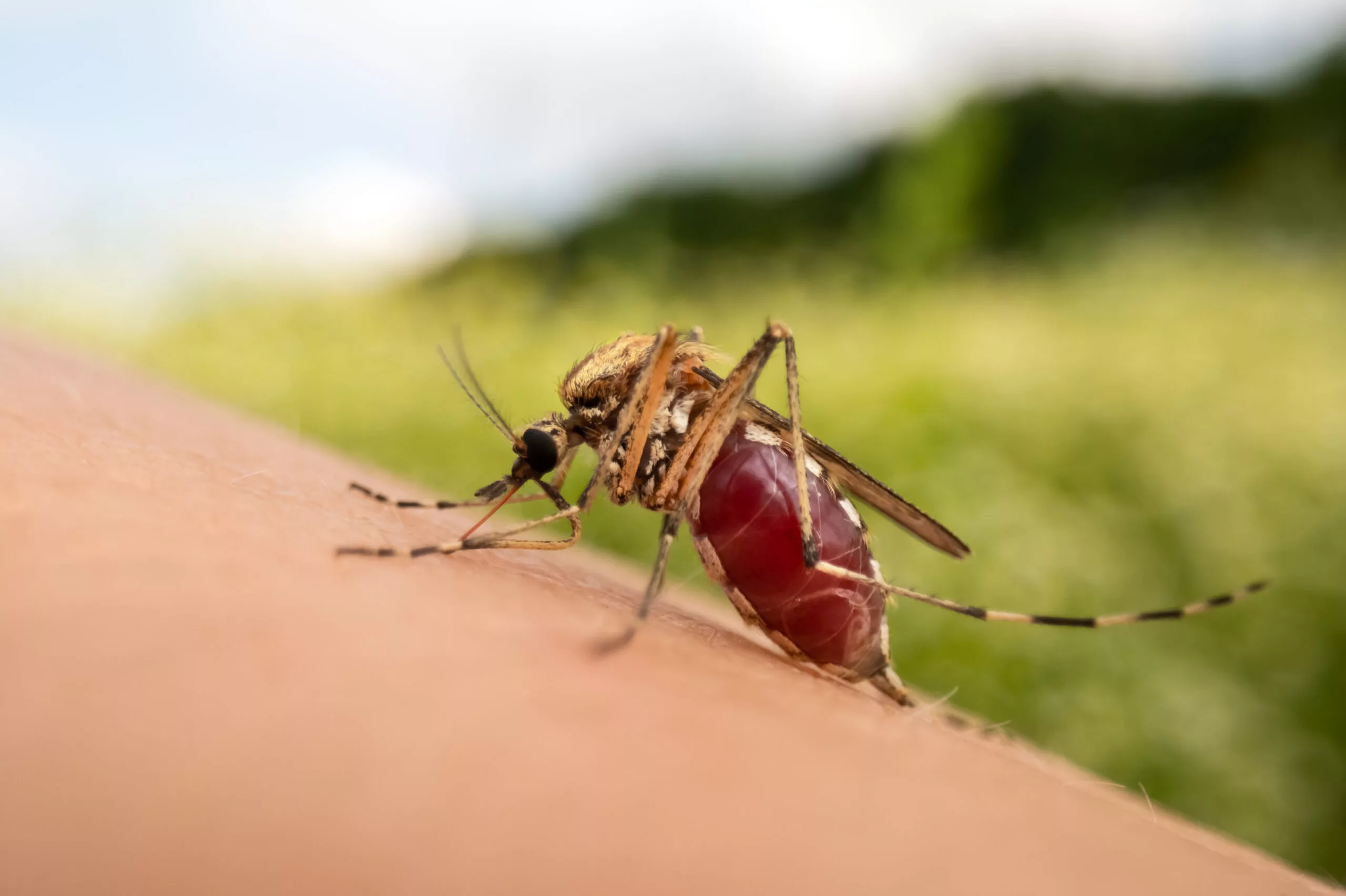
Fever season can be confusing. Two mosquito-borne illnesses, dengue and malaria, often show up with similar warning signs, and telling them apart matters for getting the right care. Knowing the symptoms of dengue and malaria early can help you act fast and avoid serious complications. This guide walks through everything you need to know about the symptoms of dengue and malaria, from causes to recovery.
In this easy-to-read guide, we will explain what these illnesses are, what causes them, how to spot the symptoms of dengue and malaria, and how doctors diagnose and treat them. We will also cover recovery, prevention, and when it’s time to see a doctor.
The symptoms of dengue and malaria are the warning signs your body shows after being infected by a mosquito bite. Both illnesses are caused by different organisms carried by mosquitoes, but they share some overlapping features like fever, body pain, and fatigue.
Dengue fever is a viral infection spread by the Aedes mosquito. Malaria, on the other hand, is caused by a parasite called Plasmodium, spread through the Anopheles mosquito. Because both conditions start with fever, doctors often compare malaria vs dengue carefully before confirming a diagnosis.
Because both illnesses are spread by mosquitoes and share overlapping signs, many people search for the symptoms of dengue and malaria together when trying to figure out what’s causing their fever. A trained doctor, supported by lab tests, is the best way to get a clear answer.
Understanding the causes behind the symptoms of dengue and malaria helps you understand how these diseases spread and progress in the body. Both conditions begin the same way, with a single mosquito bite, but the organisms involved are completely different.
What Causes Dengue Fever
Dengue is caused by the dengue virus, spread through the bite of an infected Aedes mosquito. This mosquito usually bites during the day, especially early morning and late afternoon.
What Causes Malaria
Malaria is caused by a parasite that enters the bloodstream through the bite of an infected Anopheles mosquito. The parasite travels to the liver, multiplies, and then infects red blood cells, which triggers the classic fever cycles.
There are also different types of malaria, based on the species of parasite involved:
Both illnesses share some symptoms, but there are important differences too. Knowing the specific symptoms of dengue and malaria helps doctors and patients act quickly, since early treatment often leads to a faster, smoother recovery.
Common dengue fever symptoms include the following, and recognizing them early is one of the most useful parts of understanding the symptoms of dengue and malaria overall:
A major concern with dengue is the dengue fever platelet count, which can drop sharply during the illness. Doctors monitor this closely because a very low platelet count increases bleeding risk.
If you’re wondering what are the symptoms of malaria, they usually appear in cycles, and comparing them with dengue signs is a key part of understanding the symptoms of dengue and malaria as a whole:
Malaria symptoms often follow a pattern: cold stage, hot stage, then sweating stage, repeating every couple of days depending on the parasite type. This cyclical pattern is one of the clearest ways doctors distinguish malaria from dengue, since dengue fever tends to stay high and constant rather than rising and falling in stages.
Certain factors raise your risk of catching dengue or malaria, and being aware of them can help you avoid the symptoms of dengue and malaria altogether. These include:
Doctors use several tests to confirm the symptoms of dengue and malaria and identify the exact illness. Accurate testing is the only reliable way to tell the two conditions apart, since the symptoms of dengue and malaria can look almost identical in the first few days.
Tests for Dengue
Diagnostic Test for Malaria
The most common diagnostic test for malaria includes:
Doctors often run both dengue and malaria tests together in fever cases, especially in areas where both diseases are common, to avoid misdiagnosis.
Treatment depends on which illness is confirmed, since the symptoms of dengue and malaria require very different medical approaches. Here’s a look at malaria symptoms and treatment, along with dengue care.
There is no specific antiviral medicine for dengue. Dengue fever treatment mainly focuses on supportive care:
Malaria treatment depends on the parasite type and severity. Common approaches include:
Most people recover fully from dengue and malaria with proper treatment and rest. Recovery time varies based on severity and overall health, and understanding the full range of symptoms of dengue and malaria helps you know what to expect during this phase.
Tips for Smooth Recovery
Fatigue and weakness can linger for a few weeks even after the fever clears, so gradual return to normal activity is recommended. Some patients also experience mild joint stiffness or low energy levels, which usually fade with proper rest, hydration, and a balanced diet.
Preventing mosquito bites is the best way to avoid both illnesses and reduce your chances of ever experiencing the symptoms of dengue and malaria. Try these steps:
Not all fevers need emergency care, but understanding the symptoms of dengue and malaria can help you decide when to act. You should see a doctor if you notice:
Recognizing the symptoms of dengue and malaria early and seeking prompt medical care greatly lowers the risk of serious complications.
Recognizing the symptoms of dengue and malaria early can make a big difference in recovery and safety. Both illnesses share overlapping signs like fever and body aches, but proper testing and treatment ensure you get the right care at the right time. Staying alert to the symptoms of dengue and malaria, especially during mosquito season or after travel, is one of the simplest ways to protect your health.
