
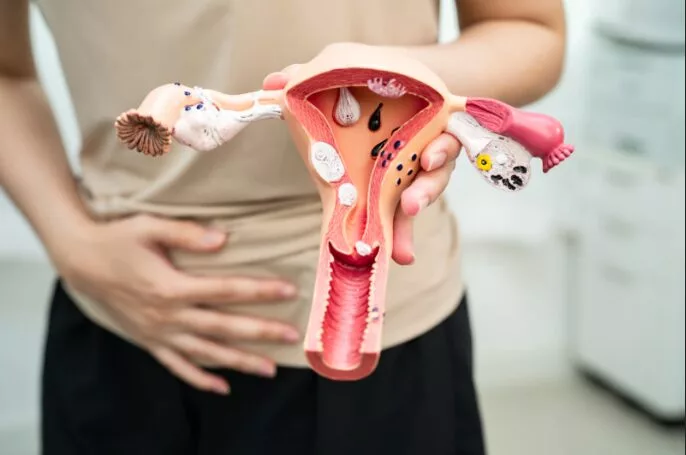
An ectopic pregnancy occurs when a fertilized egg implants outside the uterus, most commonly in a fallopian tube. Because the pregnancy cannot develop normally outside the uterus, an ectopic pregnancy can become a serious medical condition if it is not diagnosed and treated promptly. Recognizing ectopic pregnancy symptoms early is important because the initial signs can sometimes resemble those of a normal early pregnancy or miscarriage.
Common warning signs may include lower abdominal or pelvic pain, vaginal bleeding, discomfort on one side of the abdomen, shoulder-tip pain, dizziness, or weakness. Symptoms can vary from person to person, and some women may have few or no noticeable symptoms in the early stages. This informational guide explains the common symptoms of ectopic pregnancy, possible causes and risk factors, how the condition is diagnosed, available treatment options, and when urgent medical attention is necessary.
A normal pregnancy implants and grows inside the uterus. An ectopic pregnancy, by contrast, happens when a fertilized egg implants somewhere outside the uterine cavity — most often inside a fallopian tube, though it can occasionally occur in the ovary, cervix, or abdominal cavity. Because the fallopian tube cannot stretch the way the uterus does, the pregnancy cannot continue safely, and the tube is at risk of rupturing as it grows. This is precisely why recognizing the symptoms as early as possible matters so much.
Doctors usually confirm the diagnosis through a combination of a transvaginal ultrasound and blood tests that track hCG hormone levels over 48 hours. In a normal pregnancy, hCG roughly doubles every two days; in an ectopic pregnancy, this rise is often slower or irregular, which gives doctors an important early clue even before an ultrasound can visually confirm the pregnancy’s location.
There isn’t always a single clear cause, but doctors have identified several factors that raise the risk. Understanding why ectopic pregnancy occurs helps explain who should be extra alert to early warning signs:
Recognising early symptoms of ectopic pregnancy is critical because the condition often mimics a normal early pregnancy at first. Many women don’t even know something is wrong until the warning signs escalate.
A common question women ask is when ectopic pregnancy symptoms start. In most cases, early symptoms of ectopic pregnancy appear between the fourth and twelfth week of pregnancy, often shortly after a missed period. Some women notice mild discomfort early on, while others remain symptom-free until the tube begins to stretch. This is why doctors are often asked how early do symptoms of ectopic pregnancy start — and the honest answer is that it varies significantly from person to person, which makes early prenatal checkups so important, especially for women with known risk factors.
Early signs are usually subtle and can include:
Because these early warning signs overlap so closely with a normal pregnancy, an ultrasound confirming the pregnancy’s location is the only reliable way to rule the condition out.
As the pregnancy progresses without being detected, signs and symptoms of ectopic pregnancy typically become more noticeable and specific. Knowing the full range of symptoms helps you recognize when something beyond a normal pregnancy might be happening.
Common signs and symptoms of ectopic pregnancy include:
Some women searching for sign n symptoms of ectopic pregnancy online are actually trying to distinguish normal pregnancy discomfort from something more serious — and one-sided pain combined with any bleeding is always worth an urgent medical check.
A ruptured ectopic pregnancy is a true medical emergency. The signs and symptoms of ruptured ectopic pregnancy include sudden, severe abdominal pain, a rapid heartbeat, pale or clammy skin, extreme dizziness, and fainting. If internal bleeding is significant, blood pressure can drop dangerously fast, and the abdomen may become tender to even light touch. Anyone experiencing these symptoms should call emergency services or go to the nearest emergency room immediately rather than waiting for a scheduled appointment.
can sometimes be confused with an ordinary early miscarriage, as both may cause bleeding and cramping. However, persistent one-sided abdominal pain or unusual bleeding may indicate an ectopic pregnancy and requires prompt medical evaluation. A blood test measuring hCG levels along with an ultrasound can help determine the cause. If you experience concerning symptoms, consult a Best Gynecology Hospital in Greater Noida for timely diagnosis and appropriate treatment.
A cornual ectopic pregnancy is a less common but higher-risk type, where implantation occurs in the muscular corner of the uterus where it connects to the fallopian tube. Because this area can stretch more than a narrow tube before rupturing, a cornual ectopic pregnancy is sometimes diagnosed later in pregnancy than a typical tubal case, and rupture at this stage carries a higher risk of significant internal bleeding. This makes regular scans especially important for women with risk factors like previous uterine surgery or a prior cornual pregnancy.
Knowing exactly when to see a doctor for ectopic pregnancy symptoms can save a life. Don’t wait for discomfort to become unbearable — early evaluation is always safer than a wait-and-see approach.
Seek emergency care right away if you experience any of the following:
If you notice milder versions of these signs, don’t try to wait it out — book a same-day appointment instead. An early ultrasound and blood test can confirm the pregnancy’s location before complications develop, and catching the condition early usually means simpler, less invasive treatment.
At Numed Hospital, evaluating ectopic pregnancy symptoms starts with a transvaginal ultrasound and a blood test to measure hCG hormone levels. If the pregnancy cannot be located inside the uterus and hormone levels don’t rise as expected, doctors move quickly to confirm the diagnosis and plan treatment. Depending on how far the condition has progressed, treatment may include monitored medication to stop the pregnancy’s growth or minimally invasive laparoscopic surgery to remove the ectopic tissue and, where possible, preserve the fallopian tube.
Recognizing ectopic pregnancy symptoms early gives you the best chance of a safe outcome and protects your future fertility. If you notice a missed period along with unusual pain, bleeding, or dizziness, don’t wait to see what happens next. Book a consultation with Dr. Neetu Singh at Numed Hospital for prompt evaluation, accurate diagnosis, and compassionate care through every step of treatment.
