
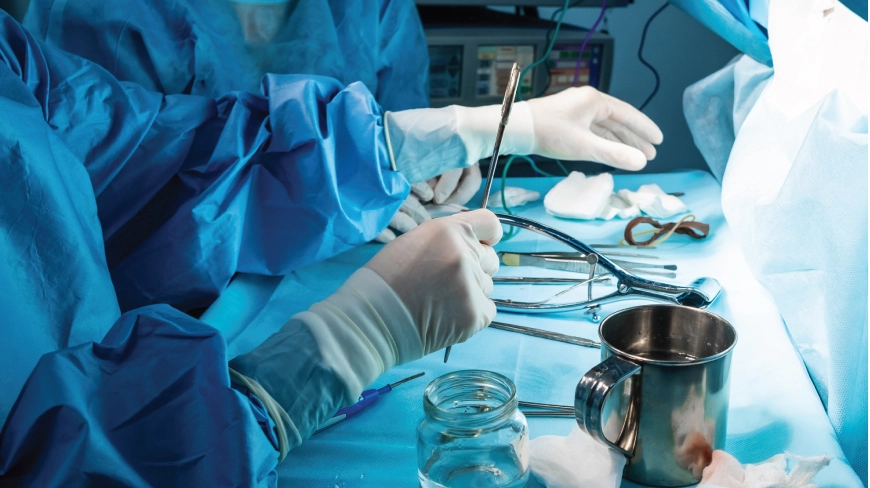
Fissure surgery is one of the most effective ways to permanently resolve a chronic anal fissure once home care and topical treatments have stopped working. Most patients feel understandably nervous before the procedure, but recovery is usually smoother and faster than people expect. In the days that follow, mild discomfort, some spotting, and gradual improvement in bowel movements are all normal. Knowing what to expect at each stage helps you heal with confidence and notice warning signs early, instead of worrying over every small twinge along the way.
This procedure is a minor operation used to treat a chronic anal fissure, a small tear in the lining of the anal canal that has not healed with conservative care. The most common technique is lateral internal sphincterotomy, where a surgeon makes a small, controlled cut in part of the internal anal sphincter muscle to relax it, relieve pressure, and let the tear heal properly.
This route is typically recommended only after anal fissure treatment options such as fiber supplements, sitz baths, and topical ointments have failed over six to eight weeks. It has a very high long-term success rate and is considered the gold standard once fissure treatment through non-surgical means has been fully exhausted.
Anal fissures are one of the most frequently seen anorectal complaints in general and colorectal practice, affecting people of nearly every age, though they are especially common in younger and middle-aged adults. Research suggests that a meaningful share of chronic cases eventually require a surgical fissure operation once medical management alone fails to resolve the muscle spasm driving the tear. Studies on lateral internal sphincterotomy consistently report healing rates above 90 percent, which is part of why colorectal surgeons continue to favor it over alternative techniques for chronic, treatment-resistant fissures. Understanding this context helps explain why surgery is not a last resort so much as a well-established, evidence-backed next step.
Recovery generally unfolds in a fairly predictable pattern, and most people return to normal activities within one to two weeks, though complete internal healing can take somewhat longer.
Everyone heals at a slightly different pace, so mild variation from this timeline is completely normal and not a cause for concern on its own.
The first week is usually the most sensitive period after fissure surgery, so a little extra care goes a long way toward smooth healing.
Most surgeons recommend warm sitz baths two to three times a day during this stage to keep the area clean and encourage healing.
Pain after this procedure is generally mild to moderate and well controlled with standard measures, unlike the sharp, burning pain many patients experienced before surgery from the fissure itself.
What you eat and how you move directly affects how quickly your body recovers after any fissure operation. A few consistent habits can meaningfully speed up healing and reduce strain on the surgical site.
Foods That Support Recovery
Habits to Avoid in the Weeks After Fissure Surgery
Knowing the signs a fissure is healing well can ease a lot of unnecessary worry during recovery. Steady, gradual improvement is the pattern to look for, not one sudden dramatic change.
If symptoms plateau or worsen instead of improving, it is worth checking in with your surgeon rather than waiting it out.
While most recoveries proceed smoothly, certain symptoms deserve prompt medical attention rather than a wait-and-see approach.
Regular follow-up with your surgeon in the weeks after treatment also helps confirm that healing is progressing as expected and gives you a chance to raise any lingering concerns.
Key Takeaways
Many patients want to know how this operation compares with less invasive choices before committing to a procedure. Anal fissure treatment at home, including fiber, hydration, and topical creams, remains the first-line approach for acute fissures and often works well within a few weeks. For chronic cases, however, non-surgical options carry a noticeably lower long-term success rate.
Some clinics also offer fissure surgery by laser as a less invasive alternative to traditional sphincterotomy, with proponents citing less post-operative discomfort, though outcomes and availability vary by provider. Compared with hemorrhoid fissure treatment, which addresses swollen veins rather than a tear in the anal lining, this operation instead targets the muscle spasm that prevents fissures from healing on their own. For patients researching how to heal a fissure fast, combining early consideration of anal fissure surgery with strict dietary discipline generally produces the quickest, most lasting results.
This guide reflects established colorectal and general surgery practice guidelines used by clinicians to counsel patients before and after this type of procedure. It has been reviewed for medical accuracy and clarity, and it aims to give practical, research-informed expectations rather than generic reassurance. That said, it is educational in nature and does not replace personalized advice from your surgeon, who can account for your specific health history and surgical details.
Recovery after this procedure is generally predictable, manageable, and far more comfortable than living with a chronic, unhealed fissure. With good pain management, a fiber-rich diet, and attentive wound care, most patients are back to their normal routine within a couple of weeks. If you notice symptoms that don’t fit the expected healing pattern, reach out to your surgeon early so that your fissure surgery recovery stays firmly on track.
