
Caring for You, Every Step of the Way - Helpline: (+91) 8882036990, 0120-3633454
Laceration Injury on Skin

Laceration Injury on Skin: Treatment, Stitches & Recovery

Home / Blog / Laceration Injury on Skin: Treatment, Stitches & Recovery

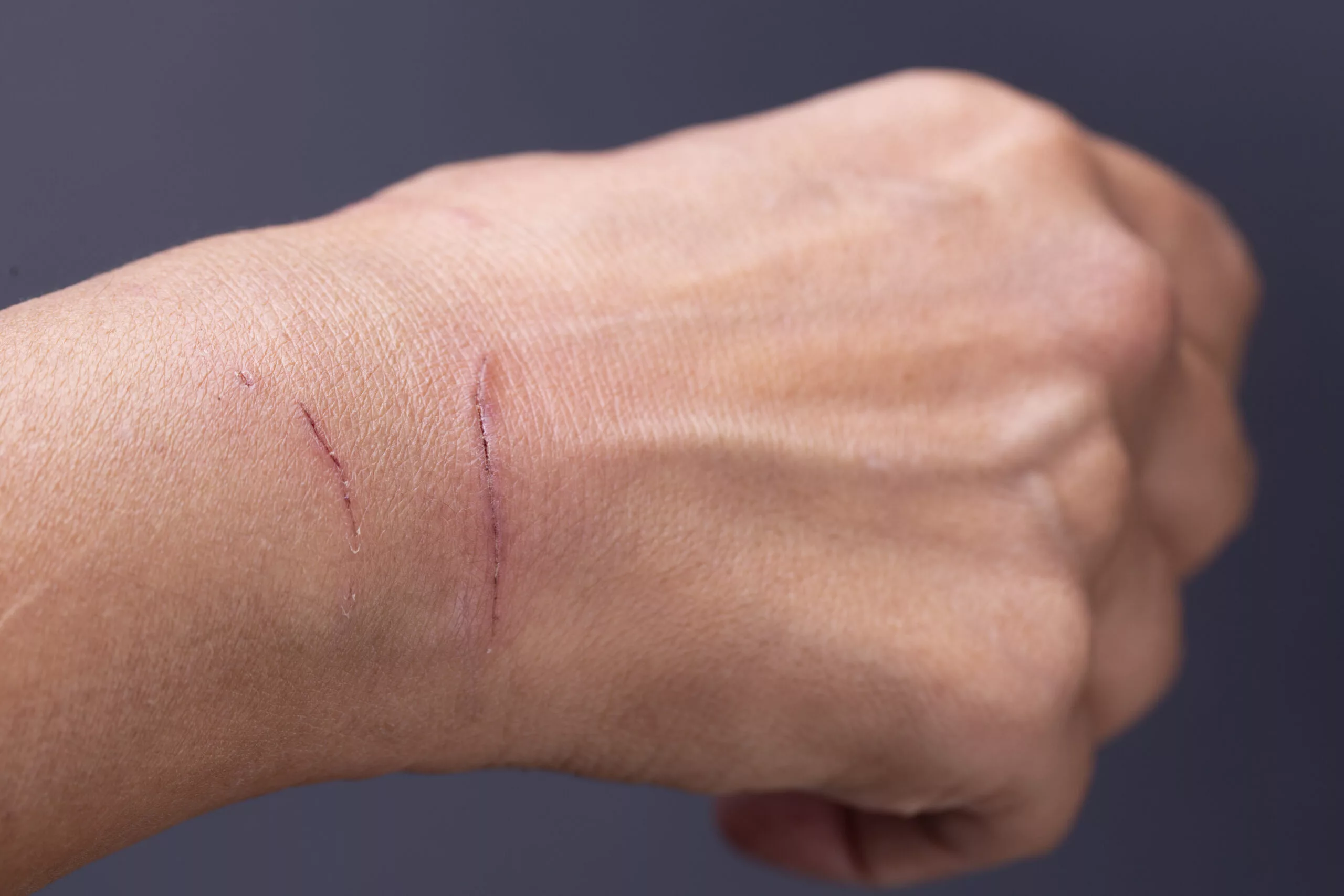
A laceration injury happens when the skin tears open due to blunt force, a sharp object, or a hard impact. Unlike a clean surgical cut, this type of wound often has jagged, irregular edges and can affect deeper tissue layers. It is one of the most common reasons people visit an emergency room, ranging from minor scrapes to deep wounds that need stitches.

Understanding how such a wound forms, what symptoms to watch for, and which treatment options work best can help you respond quickly and heal safely. This guide covers causes, symptoms, diagnosis, treatment, recovery, and prevention in detail, along with the difference between a torn wound and other common skin injuries.

The honest answer depends o  n the grade of piles, the underlying cause, and how early treatment begins. Mild cases often respond well to lifestyle changes and non-surgical care, while advanced prolapse may eventually need a procedure.

This guide explains the causes, symptoms, risk factors, diagnosis, and treatment options for piles, along with realistic expectations for non-surgical management, recovery timelines, and when surgery becomes the better choice.

What is a Laceration Injury?

This type of wound is caused by the skin being torn, split, or ripped apart, rather than sliced cleanly. It usually results from blunt trauma, falls, machinery accidents, or contact with sharp edges. Because the tissue is torn rather than cut, the wound edges are often uneven, and bleeding can range from mild to severe depending on depth.

Many people confuse this condition with other wound types. Understanding what is a laceration helps distinguish it from cuts, punctures, and abrasions, and clarifies why treatment approaches can differ so much between wound categories.

Abrasion vs Laceration

An abrasion vs laceration comparison is a common point of confusion:

    • An abrasion is a superficial scrape that removes only the top layer of skin.
    • A torn wound of this kind goes through deeper skin layers and sometimes muscle or fat tissue.
    • Abrasions rarely need stitches; deeper tears often do.

Types of Laceration Injury

There are several types of laceration wounds, each with distinct characteristics:

  • Split laceration – occurs when skin over a bony area (like the scalp or shin) splits from a direct blow.
  • Avulsion laceration – involves skin and tissue being partially or fully torn away from the body.
  • Stretch laceration – happens when skin is pulled or stretched beyond its limit until it tears.
  • Incised-type laceration – caused by sharp objects, resembling a cut but with more tissue disruption.

These types of lacerated wound patterns help doctors decide on the right closure method, whether stitches, staples, or adhesive strips. Recognizing which category a wound falls into also helps predict healing time and scarring risk.

Causes of Laceration Injury

Skin can tear open in nearly any setting, and this type of injury often occurs unexpectedly. Common causes include:

  • Falls onto hard or uneven surfaces
  • Motor vehicle accidents
  • Sports-related collisions or contact injuries
  • Workplace accidents involving machinery or tools
  • Sharp household objects like glass or metal edges
  • Animal bites or scratches
  • Repetitive friction or shear force against the skin, common in industrial settings

Scalp Laceration Injury

Recognizing the symptoms of this condition early helps determine the urgency of care needed. Typical signs include:

  • Visible tearing or splitting of the skin
  • Bleeding that may be light, moderate, or heavy
  • Pain or tenderness around the wound
  • Swelling or bruising near the injury site
  • Exposed fat, muscle, or bone in deeper wounds
  • Numbness or reduced sensation if nerves are affected

Deep wounds may also cause difficulty moving the affected area, especially near joints or tendons. Any spreading numbness or loss of function should be evaluated promptly, since it can point to nerve or tendon damage.

Risk Factors

Certain factors increase the likelihood or severity of this type of wound, even in otherwise low-risk environments:

  • Occupation – construction, factory, and outdoor work carry higher risk.
  • Age – young children and older adults are more prone to falls.
  • Sports participation – contact sports raise injury risk.
  • Thin or fragile skin – common in aging skin or with long-term steroid use.
  • Blood-thinning medications – increase bleeding once a laceration occurs.
  • Diabetes or poor circulation – can slow healing and raise infection risk.
  • Previous scarring or skin grafts – may weaken tissue strength in that area.

Diagnosis and Medical Tests

Doctors typically diagnose this type of wound through a physical examination, checking depth, length, and involvement of underlying structures. During evaluation, a physician will assess:

  • Wound depth and edges
  • Presence of foreign debris or contamination
  • Nerve function and sensation
  • Blood flow and circulation near the wound
  • Tendon or muscle movement, if applicable

Imaging and Lab Tests

For deeper or complicated wounds, additional tests may be ordered:

  • X-rays – to check for embedded glass, metal, or bone injury
  • Ultrasound – to assess soft tissue and foreign body location
  • Wound cultures – if infection is suspected
  • Tetanus status review – to determine if a booster shot is needed

Treatment Options for Laceration Injury

Treatment depends on the size, depth, and location of the wound. The goal is to stop bleeding, prevent infection, and support proper tissue healing.

Cleaning and Wound Preparation

The wound is first irrigated with saline to remove dirt, debris, and bacteria. Damaged tissue may be gently trimmed if needed before closure, a process called debridement that helps the edges come together cleanly.

Stitches for Laceration Injury

Stitches are the most common closure method for moderate to deep wounds. A doctor may also use:

  • Sutures (stitches) – for wounds needing strong, precise closure
  • Staples – often used for scalp laceration cases where speed matters
  • Adhesive skin glue – for smaller, low-tension wounds
  • Steri-strips – for minor, shallow lacerations

Wounds are typically closed within 6–8 hours of injury to reduce infection risk, though this window can vary by wound type and location.

Medications

  • Local anesthesia before closure
  • Antibiotics if contamination or infection risk is high
  • Tetanus vaccine, if not up to date
  • Pain relief medication as needed

Recovery and Rehabilitation

Recovery time depends on wound depth, location, and how well aftercare instructions are followed. Minor wounds may heal in one to two weeks, while deeper tears can take several weeks to months, and physical therapy is sometimes recommended if the wound crossed a joint or affected muscle function.

Aftercare Tips

  • Keep the wound clean and dry for the first 24–48 hours
  • Change dressings as advised by your healthcare provider
  • Watch for signs of infection, such as redness, warmth, or discharge
  • Avoid stretching or straining the healed area too early
  • Attend follow-up visits for stitch or staple removal

Scar Management

Once the wound has closed, scar care becomes important. Silicone gel sheets, sun protection, and gentle massage can help minimize visible scarring over time. Most scars continue to fade and soften for up to twelve months after the injury.

Prevention Tips

While not all accidents can be avoided, these steps can lower the risk of a deep skin tear:

  • Wear protective gear during sports or manual labor
  • Keep walkways and floors clear of hazards
  • Use proper safety equipment when handling tools or machinery
  • Store sharp objects securely at home
  • Supervise young children around stairs, furniture edges, and glass
  • Keep pets vaccinated and supervise unfamiliar animals around children

When to See a Doctor

Not every torn wound needs emergency care, but certain signs mean you should seek medical attention right away:

  • The wound is deep, gaping, or won’t stop bleeding
  • You see fat, muscle, or bone through the skin
  • The injury is near the eyes, face, or joints
  • There’s numbness, weakness, or reduced movement nearby
  • Signs of infection develop, such as fever, pus, or spreading redness
  • The wound resulted from a rusty object, animal bite, or dirty surface

Prompt evaluation of any serious laceration injury reduces the risk of complications like infection, nerve damage, or poor scarring. When in doubt, it is always safer to have a wound checked than to wait and see.

FAQs

What is a laceration exactly?

It's a tear or split in the skin caused by blunt force or trauma, often with irregular, jagged edges rather than a clean cut.

How is a laceration different from an abrasion?

An abrasion only scrapes the surface layer of skin, while a laceration injury tears deeper tissue and often requires stitches or other closure methods.

Do all lacerations need stitches?

No. Small, shallow wounds may heal with simple cleaning and a bandage, while deeper or gaping wounds typically need stitches, staples, or skin glue.

How long does a scalp laceration take to heal?

A scalp wound usually heals within 7–14 days after closure, though bleeding at the time of the tear can appear more severe than the actual depth.

Can a laceration get infected after stitches?

Yes. Watch for redness, swelling, warmth, or discharge around the wound, and contact a doctor promptly if these signs appear during recovery.