
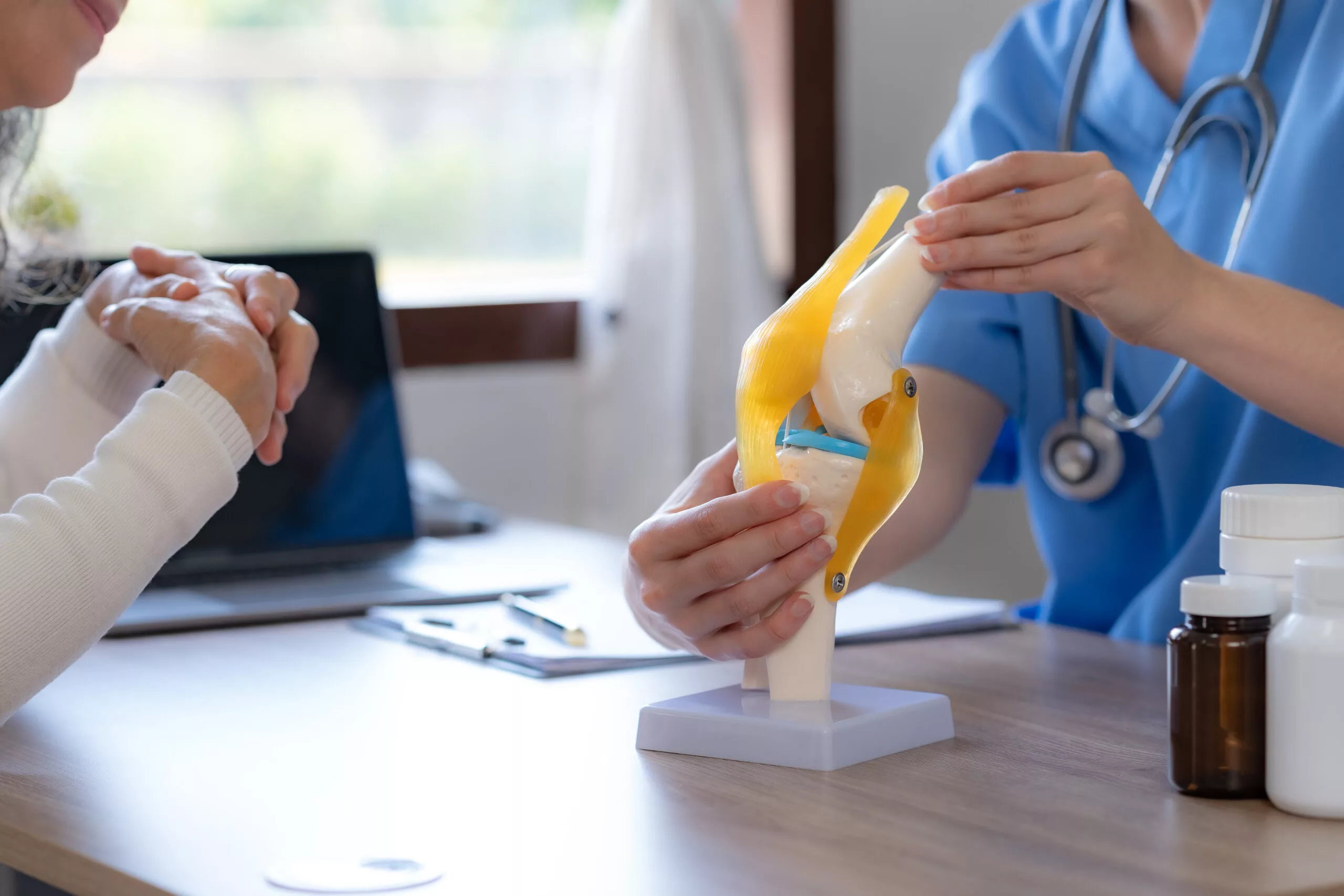
A meniscus tear is one of the most common knee injuries, affecting athletes and everyday people alike. Whether the damage happened during a sports session or a simple twist while getting out of a chair, the right rehab routine can make a real difference in how quickly and completely your knee heals. This guide walks you through what a meniscus tear is, how it’s diagnosed, and the best exercises to support a safe and steady recovery.
The meniscus is a C-shaped piece of cartilage that cushions the knee joint. Each knee has two menisci — the medial meniscus on the inner side and the lateral meniscus on the outer side. A meniscus tear knee injury happens when this cartilage is stretched or twisted beyond its limit, often during sudden pivoting, deep squatting, or heavy lifting.
A medial meniscus tear is more common than a lateral meniscus tear because the medial side is less mobile and takes on more stress during rotational movement. Older adults may also experience tears from simple wear and tear, without any single traumatic event.
Recognizing meniscus tear symptoms early can help you get the right care sooner. Common signs include:
If you notice these meniscus tear symptoms, it’s worth having a doctor or physical therapist evaluate your knee before starting any exercise program.
There are several types of meniscus tear, and understanding which one you have helps guide treatment. Common patterns include radial tears, horizontal tears, flap tears, and the more serious bucket handle tear of medial meniscus, where a strip of torn cartilage flips into the joint space and can cause locking.
Doctors also classify meniscus tear grades based on severity, from Grade 1 (minor damage within the cartilage) to Grade 3 (a full tear extending to the surface of the meniscus). Grade 3 tears are the most likely to require surgical repair, while Grade 1 and Grade 2 tears often respond well to conservative care and targeted exercise.
It’s also worth noting that an ACL and meniscus tear frequently occur together, since both structures can be damaged during the same twisting or pivoting injury. When both are involved, recovery timelines and exercise progressions are usually adjusted by a specialist.
A physical exam is typically the first step. A common meniscus tear test is the McMurray test, where the doctor bends and rotates the knee while listening and feeling for a click or pain response. Other tests, such as the Apley grind test, may also be used. An MRI is often ordered to confirm the diagnosis and determine the exact type and grade of the tear.
Meniscus tear treatment depends on the size, location, and severity of the injury, as well as the person’s age and activity level. Non-surgical treatment usually includes rest, ice, compression, elevation (RICE), anti-inflammatory medication, and a structured rehabilitation program built around specific exercises.
For tears that don’t heal well with conservative care, or for large, unstable tears like a bucket handle pattern, meniscus tear surgery may be recommended. This can involve trimming the damaged portion (meniscectomy) or repairing the tear with sutures, depending on where the tear is located and how much blood supply the area receives. Regardless of the treatment path, exercise plays a central role in restoring strength, flexibility, and confidence in the knee.
In the early stages, the goal of this rehab work is to reduce swelling, protect the joint, and gently restore range of motion without overloading the healing tissue.
Meniscus Tear Exercises for Range of Motion
Gentle movement helps prevent stiffness while protecting the injury.
Meniscus Tear Exercises for Strengthening
Once initial pain and swelling settle, strengthening exercises help support the joint.
These early movements should never cause sharp pain. Mild discomfort is normal, but any pinching or locking sensation means you should stop and consult your therapist.
As healing progresses, the focus shifts toward rebuilding strength, stability, and functional movement so you can safely return to daily activities or sport.
Balance work is an often-overlooked part of recovery, especially for anyone returning to sports.
Progressing through this rehab plan gradually, rather than rushing, gives the cartilage and surrounding muscles time to adapt and reduces the risk of re-injury.
Not every exercise is appropriate for every stage of healing. Keep these precautions in mind:
If you experience sudden swelling, an inability to bear weight, or a knee that locks in one position, hold off on exercise and contact your doctor. These can be signs of a more serious tear, such as a bucket handle tear of medial meniscus, that may need imaging or surgical evaluation before rehabilitation continues.
Recovering from a meniscus tear takes patience, but a well-structured rehab plan can significantly improve your outcome, whether you’re managing the injury conservatively or rehabilitating after surgery. Start gently, progress at a pace your knee can tolerate, and work closely with a healthcare provider to tailor the routine to your specific tear type and grade. With consistency, most people regain strength, stability, and confidence in their knee over time.
