
Knee pain that shows up after a twist, a deep squat, or even just getting up too fast can be more than a passing ache. Recognizing the signs early makes a real difference in how quickly you recover, so this guide walks through the most common signs to help you understand what’s happening in your knee, why it happens, and what your treatment options look like. A meniscus tear knee injury can range from a mild strain to a severe tear that locks the joint, so knowing what to look for helps you seek the right care at the right time.
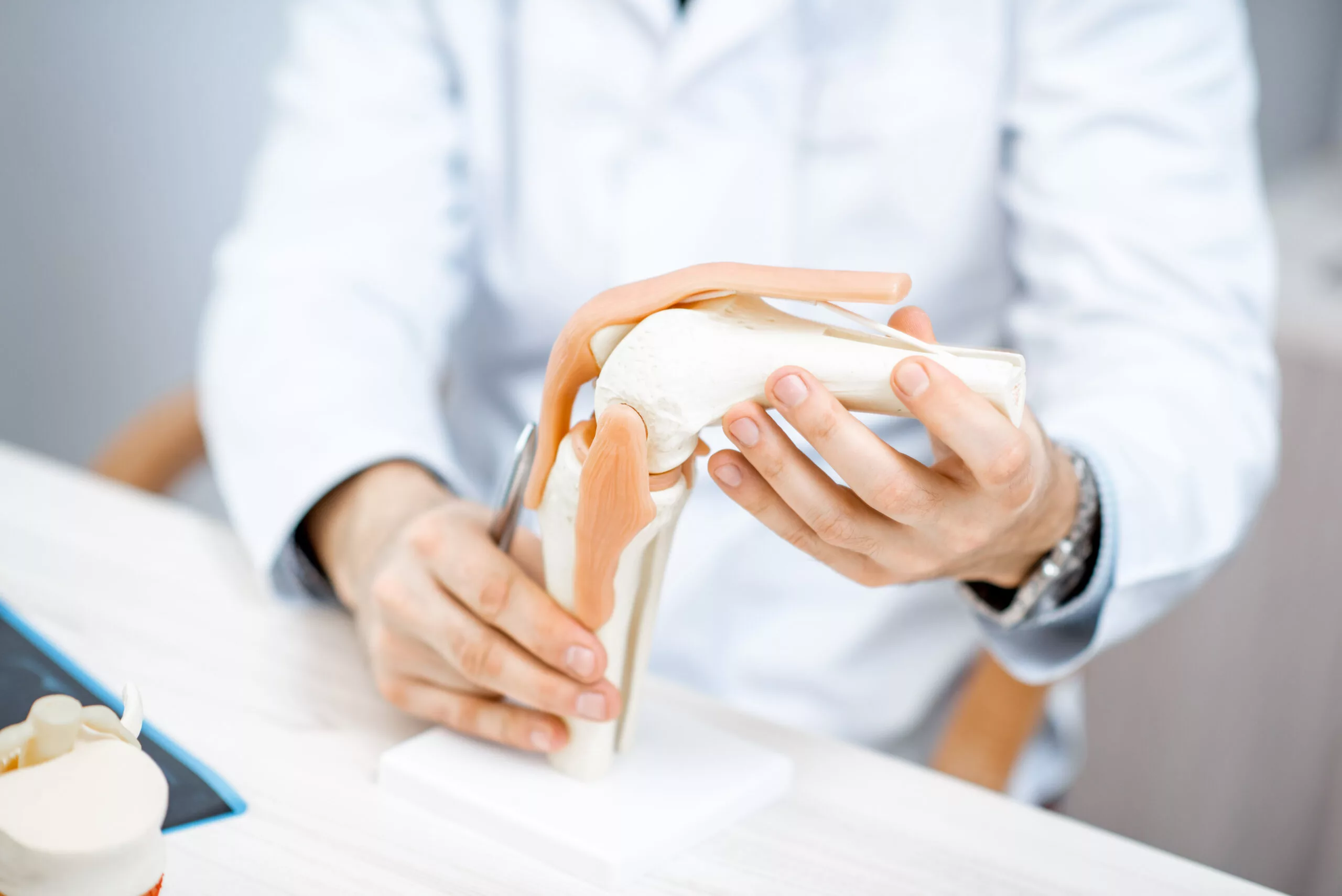
The meniscus is a C-shaped piece of cartilage that sits between the thighbone and shinbone, cushioning the knee joint and helping it move smoothly. Each knee has two of them — the medial meniscus on the inner side and the lateral meniscus on the outer side. A meniscus tear happens when this cartilage is twisted or compressed beyond its limit, which can occur during sports, heavy lifting, or simply pivoting awkwardly.
A medial meniscus tear is more common than a lateral meniscus tear, since the medial side bears more rotational stress. Younger people usually tear the meniscus through sudden trauma, while older adults may develop tears gradually as the cartilage naturally weakens with age.
The signs of an injured meniscus can range from subtle stiffness to sudden, sharp pain, depending on the size and location of the tear. Some of the most frequent indicators include:
These signs can appear immediately after an injury or build up slowly over days if the tear developed from gradual wear.
Pain location often points to which side of the meniscus is affected. Inner knee pain usually suggests damage to the medial meniscus, while outer knee discomfort points toward the lateral side. In cases involving a bucket handle tear of medial meniscus, the torn piece of cartilage can flip into the joint space, causing the knee to lock in a bent position and making it difficult to walk normally.
It’s also worth knowing that an acl and meniscus tear frequently happen together during the same twisting injury, especially in sports like basketball, football, or skiing. When both structures are damaged, the resulting signs tend to be more severe, with noticeable swelling and a feeling that the knee cannot be trusted to bear weight.
Meniscus tears typically result from:
Athletes involved in football, soccer, basketball, and skiing face a higher risk due to frequent cutting and pivoting movements. Older adults are more prone to degenerative tears that occur without any specific injury event.
The way meniscus tear symptoms show up can vary quite a bit depending on age and activity level. In younger, active individuals, symptoms usually appear suddenly after a sports injury or awkward twist, with noticeable swelling and sharp pain within hours. Athletes may also notice their knee giving way during quick direction changes.
In older adults, meniscus tear symptoms often develop more gradually, sometimes without any specific injury at all. Degenerative tears may present as a dull, persistent ache that worsens with activity, along with mild swelling that comes and goes. Because these signs can be mistaken for general knee arthritis, it’s easy to overlook a meniscus tear until it starts affecting daily movement, such as climbing stairs or standing up from a chair.
Recognizing how meniscus tear symptoms differ between age groups can help you and your doctor decide on the right diagnostic tests and treatment approach for your specific situation.
There are several types of meniscus tear, including radial, horizontal, flap, and complex tears, each with a different pattern and treatment approach. Tears are also classified using meniscus tear grades, ranging from Grade 1 (mild damage contained within the cartilage) to Grade 3 (a complete tear reaching the surface). Grade 3 tears are more likely to need surgical attention, while Grade 1 and Grade 2 injuries often respond well to conservative management.
A doctor will usually begin with a physical exam, checking for swelling, tenderness along the joint line, and restricted movement. A common meniscus tear test is the McMurray test, in which the doctor bends and rotates the knee while feeling and listening for a click. The Apley grind test may also be used to help confirm the diagnosis. An MRI is typically ordered afterward to pinpoint the exact type, size, and grade of the tear.
Meniscus tear treatment depends on the severity of the injury, the person’s age, and their activity level. For smaller or stable tears, conservative treatment is often effective and includes:
For larger, unstable, or complex tears — including a bucket handle pattern — meniscus tear surgery may be recommended. Surgical options range from trimming the damaged tissue (meniscectomy) to repairing the tear with sutures, depending on its location and blood supply. Recovery time after surgery varies from a few weeks to several months, based on the procedure and the patient’s overall health.
Once the initial pain and swelling settle, a guided program of meniscus tear exercises helps restore strength, flexibility, and stability. Early-stage movements like heel slides and quad sets protect the healing joint while maintaining range of motion. As recovery progresses, strengthening exercises such as mini squats, step-ups, and balance training rebuild the muscles that support the knee, reducing the chance of re-injury. A physical therapist can tailor this progression to the specific tear type and grade.
If any of the meniscus tear symptoms above last more than a few days, or if you’re unable to bear weight on the affected leg, it’s time to get evaluated. Ignoring persistent signs can lead to further cartilage damage and a longer recovery down the road. Early diagnosis generally leads to simpler treatment and a faster return to normal activity.
If you’re dealing with ongoing knee pain or suspect a tear, the orthopedic team at Numed Hospital offers experienced, personalized evaluation and treatment. Dr. Akhilesh Yadav, Dr. Himanshu Gupta, and Dr. Vikas Negi bring extensive expertise in diagnosing and treating knee injuries, from conservative rehabilitation programs to advanced surgical repair when needed. Numed Hospital combines modern diagnostic imaging with a patient-focused approach, helping you understand your injury clearly and choose the treatment path that’s right for you. Whether you need a second opinion, a detailed exercise plan, or surgical care, the specialists at Numed Hospital are equipped to guide you through every stage of recovery.
Understanding the warning signs of a meniscus injury helps you act quickly and avoid unnecessary complications. From gentle rest and targeted exercises to surgical repair for more severe cases, the right treatment path depends on the type and grade of your tear. If you’re experiencing persistent knee pain, swelling, or instability, don’t wait it out — the specialists at Numed Hospital, including Dr. Akhilesh Yadav, Dr. Himanshu Gupta, and Dr. Vikas Negi, are ready to help you get an accurate diagnosis and a treatment plan built around your recovery.
