
If you’ve been told you need surgery for piles, one of your first questions is probably about piles operation cost. It’s a fair concern — the price of treatment can vary a lot depending on the type of procedure, the hospital you choose, and the severity of your condition. This blog breaks down piles operation cost across different surgical options, what factors influence the final bill, and how to plan for it without any surprises.
A quick look at what this guide covers:
● Why piles operation cost varies so much from patient to patient
● The different types of surgery and how their pricing compares
● Hidden expenses people often forget to budget for
● Tips to manage piles operation cost without compromising on care
● Five common questions patients ask about pricing
Piles, also called hemorrhoids, are swollen veins around the anus and lower rectum. They are usually caused by straining during bowel movements, chronic constipation, pregnancy, or long hours of sitting. In the first stage of piles, symptoms are mild — occasional bleeding with little to no pain. At this point, most doctors recommend dietary changes and topical treatment for piles rather than surgery.
As piles progress, though, prolapse, persistent bleeding, and discomfort can make daily life difficult. This is usually when surgery enters the conversation, and naturally, so does the question of piles operation cost.
Many patients ask, is piles dangerous, before agreeing to any procedure. In most cases, piles are not life-threatening, but ignoring them for too long can lead to complications such as anemia from chronic bleeding, painful blood clots, or permanent prolapse. When conservative treatment for piles stops working, surgery becomes the more practical long-term solution, even if it means factoring in the additional expense.
There is no single fixed number when it comes to piles operation cost, since pricing depends on multiple variables. Here are the main factors that influence the final amount:
● Type of procedure — laser, stapler, or traditional surgery all carry different price points
● Severity of piles — advanced grades often require more extensive surgical work
● Hospital and location — metro cities and premium hospitals typically charge more
● Surgeon’s experience — highly experienced specialists may charge higher consultation and procedure fees
● Anesthesia type — general anesthesia usually adds more to the bill than local or spinal anesthesia
● Length of hospital stay — a same-day discharge costs less than a multi-day admission
● Pre- and post-operative care — diagnostic tests, follow-up visits, and medication all add to the total
Because of these variables, it’s important to get a personalized quote rather than relying on average figures found online.
Piles surgery is not a one-size-fits-all procedure. Depending on your condition, your doctor may recommend one of the following approaches, each with its own cost structure.
Laser operation for piles is a modern, minimally invasive technique that uses focused light energy to shrink swollen tissue without traditional cutting. Piles laser treatment cost is generally on the higher end compared to conventional surgery because of the specialized equipment involved. However, many patients find the trade-off worthwhile, since laser treatment for piles usually means:
● Minimal bleeding during the procedure
● Same-day or next-day discharge
● Faster return to normal activities
● Reduced post-operative pain
While the upfront piles laser treatment cost may be higher, the shorter recovery period can reduce indirect costs like lost workdays and follow-up visits.
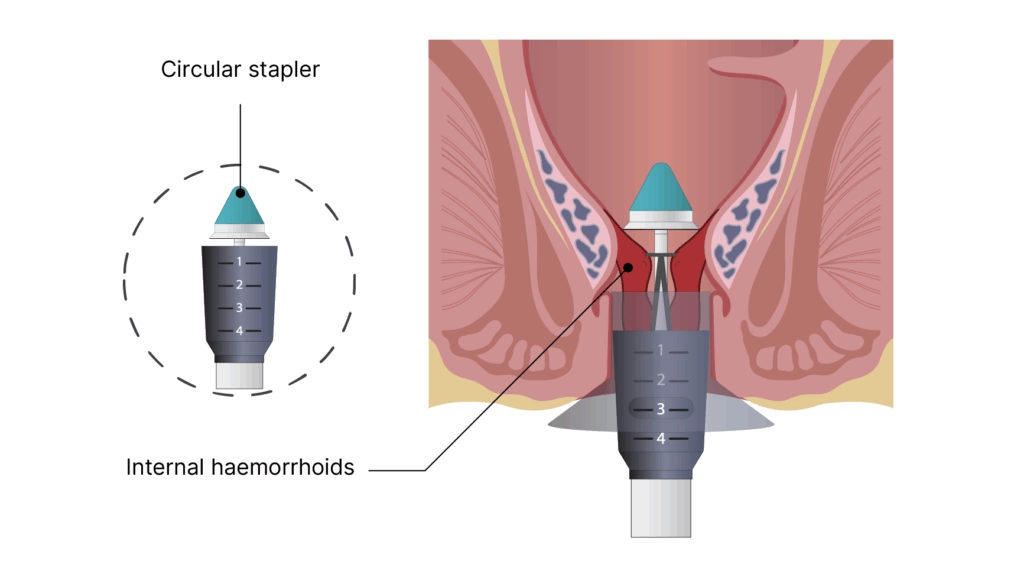
Stapler surgery for piles, also known as PPH (procedure for prolapse and hemorrhoids), uses a circular stapling device to reposition prolapsed tissue and cut off its blood supply. This method usually falls in the mid-range when it comes to pricing — more affordable than laser treatment but slightly higher than traditional surgery in some cases. Stapler surgery for piles is popular because it causes less pain than conventional methods and allows a quicker recovery.
Traditional surgery, called hemorrhoidectomy, involves the surgical removal of swollen tissue. It is often the most affordable option among the three, largely because it doesn’t require advanced equipment like lasers or staplers. That said, recovery tends to take longer, and patients may need more pain management and follow-up care, which can add to the overall piles surgery cost over time.
While exact pricing depends on your hospital and city, here’s a general idea of how the three approaches typically compare:
● Traditional hemorrhoidectomy — usually the lowest upfront cost, but longer recovery may mean more time off work
● Stapler surgery — moderate pricing with a shorter hospital stay than traditional surgery
● Laser treatment — typically the highest upfront cost, offset by minimal downtime and fewer complications
It’s worth discussing all three options with your surgeon, since the cheapest procedure on paper isn’t always the most cost-effective once recovery time and follow-up visits are factored in. When you compare piles operation cost across cities, you’ll also notice that metro hospitals with advanced facilities tend to charge more than smaller clinics, even for the same procedure. Getting quotes from two or three providers before deciding can give you a clearer picture of the true piles operation cost in your area.
Piles operation cost can differ significantly depending on where you live and where you choose to get treated. Metro cities generally have higher piles operation cost due to premium infrastructure, experienced specialists, and higher operating expenses. Smaller towns and tier-two cities often offer more affordable piles operation cost, though the choice of hospital and surgeon still matters more than location alone.
Government hospitals and certain charitable institutions may offer significantly reduced piles operation cost, sometimes even free treatment for eligible patients. Private hospitals, on the other hand, usually provide more comfort and shorter waiting times, but at a higher piles operation cost. Weighing these trade-offs against your budget and urgency of treatment can help you make the right choice.
Beyond the surgery fee itself, patients often overlook a few additional expenses. When budgeting for piles operation cost, keep these in mind:
● Pre-surgery diagnostic tests and consultations
● Anesthesia and operating room charges
● Medications for pain relief and stool softening
● Follow-up appointments after the procedure
● Dietary supplements or fiber products recommended during recovery
● Transportation and, in some cases, time off work
Asking your hospital for an itemized estimate before the procedure can help you avoid unexpected charges later.
Many health insurance plans do cover piles surgery, especially when it’s classified as medically necessary rather than cosmetic. Coverage often depends on your policy terms, the severity of your condition, and whether the hospital is part of your insurer’s network. It’s a good idea to check with your insurance provider beforehand and confirm exactly what portion of the piles surgery cost will be reimbursed.
Managing piles operation cost effectively starts well before the day of surgery.
● Compare pricing across a few reputed hospitals before deciding
● Ask if your insurance covers the recommended procedure
● Choose a treatment method based on medical need, not just price
● Request a detailed cost breakdown in advance
● Consider government or charitable hospitals if budget is a major concern
● Don’t delay treatment for piles, since early intervention is often cheaper than
Piles operation cost isn’t just about the procedure fee — it includes consultations, anesthesia, hospital stay, medication, and recovery time. Understanding the different types of surgery, from laser and stapler methods to traditional hemorrhoidectomy, can help you make an informed decision that balances your health needs with your budget. Discussing all available options with your doctor, along with your insurance provider, is
