
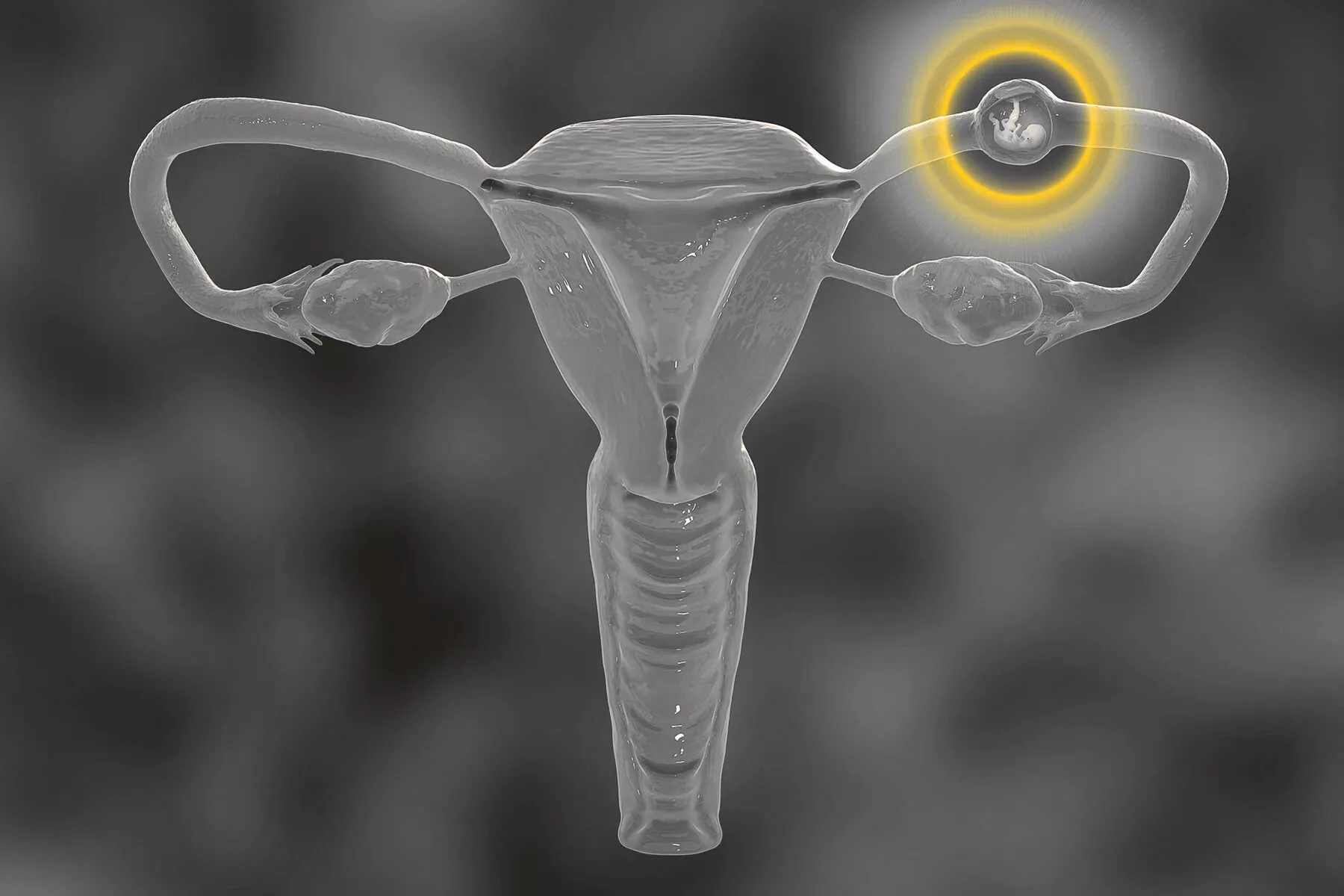
Ruptured ectopic pregnancy is one of the most dangerous emergencies a woman can face in early pregnancy — and it can turn life-threatening within hours. It happens when a fallopian tube carrying a pregnancy outside the uterus finally tears open, releasing blood into the abdomen and triggering a medical crisis that cannot wait.
Every year, thousands of women experience this without warning, often mistaking early signs for ordinary pregnancy discomfort until it’s too late to act calmly. Knowing the symptoms, understanding why it happens, and recognizing exactly when to seek emergency care isn’t optional information — it’s the difference between a safe recovery and a life-threatening outcome. This guide breaks down everything you need to know, so you’re never caught off guard.
An ectopic pregnancy occurs when a fertilized egg implants outside the uterus, most often inside a fallopian tube. The uterus is built to stretch as pregnancy grows — a fallopian tube is not.
As tissue keeps growing inside the tube, pressure builds against its thin walls. A ruptured ectopic pregnancy happens when that pressure finally breaks through, releasing blood into the abdominal cavity.
This is sometimes called ectopic pregnancy tubal rupture, since the tube itself is the site of injury.
Because the bleeding happens inside the body, it can be difficult to recognize until blood loss has already become significant — which is exactly why knowing the warning signs matters so much.
A ruptured tubal ectopic pregnancy usually occurs between the sixth and tenth week of pregnancy, once the growing tissue outgrows the space inside the tube. The exact timing depends on several individual factors:
Recognizing the signs and symptoms of ruptured ectopic pregnancy quickly can be lifesaving. Unlike an early, unruptured pregnancy outside the uterus — which may cause only mild discomfort — a rupture typically causes sudden and severe symptoms that develop over minutes rather than days.
Sudden Warning Signs
Watch for the following symptoms, which often appear together rather than one at a time:
These symptoms together represent a true medical emergency. If you or someone near you experiences several of these signs at once, call emergency services immediately rather than waiting to see if the pain subsides on its own.
General ectopic pregnancy symptoms — like mild cramping, light spotting, or breast tenderness — often appear gradually in early pregnancy and can be easy to overlook. Once the tube tears, symptoms shift dramatically: pain becomes sudden and severe, bleeding is internal rather than visible externally, and signs of shock like a racing pulse and dizziness can develop within a short window of time. This sharp contrast is exactly why doctors urge women not to dismiss even mild early symptoms during the first trimester.
Once a tube has torn, treatment is always surgical, since medication cannot stop active internal bleeding. The priority is to control bleeding first and address the remaining pregnancy tissue second.
Emergency Surgical Management
Doctors typically manage this emergency through one of the following approaches:
Ectopic pregnancy laparoscopic surgery is generally the first choice whenever it’s safely possible, because laparoscopy for ectopic pregnancy typically means a shorter hospital stay, less visible scarring, and a faster overall recovery compared to open surgery.
Unlike a pregnancy that has not yet ruptured, which may sometimes respond to methotrexate for ectopic pregnancy, a case involving tubal rupture cannot be managed with medication alone. Methotrexate works by stopping cell growth gradually over several days, but active bleeding needs to be stopped immediately — something only surgery can achieve. This is the key distinction doctors explain to patients and families: methotrexate for ectopic pregnancy is an option before rupture, never after.
To understand rupture cases in context, it helps to see the fuller picture of ectopic pregnancy treatment across different stages of the condition:
Choosing the right ectopic pregnancy treatment depends on how early the condition is caught, the patient’s overall stability, and whether the tube has already given way.
Here is a simple overview of approximate treatment costs by type. Actual figures vary widely based on hospital, city, and how severe the case is, especially once emergency rupture care is involved.
Type of Treatment | Average Price Range (INR) | Average Price Range (USD) |
Diagnostic tests (ultrasound, blood work) | ₹1,500 – ₹15,000 | $18 – $180 |
Methotrexate medication | ₹1,000 – ₹5,000 | $12 – $60 |
Laparoscopic surgery | ₹35,000 – ₹1,50,000 | $420 – $1,800 |
Open surgery (laparotomy) | ₹25,000 – ₹60,000 | $300 – $720 |
Emergency rupture care (surgery + ICU/monitoring) | ₹60,000 – ₹2,00,000+ | $720 – $2,400+ |
Recovery time depends heavily on which procedure was used. Laparoscopic patients often return to light activity within one to two weeks, while open surgery may require four to six weeks of recovery. Doctors typically recommend the following during recovery:
Many women can conceive naturally after a ruptured ectopic pregnancy, particularly when one healthy fallopian tube remains. However, the risk of another ectopic pregnancy may be higher, so a preconception consultation and early ultrasound in a future pregnancy are recommended.
Recovery involves both physical and emotional healing. Feelings of grief, anxiety, or relief are common after pregnancy loss. Regular follow-up care and appropriate emotional support can help women recover, understand what happened, and feel more confident about future pregnancy planning.
Numed Hospital provides round-the-clock emergency gynecological care, with on-site ultrasound and laboratory support to diagnose this condition quickly and accurately. Dr. Neetu Singh and her team are experienced in both emergency laparoscopic and open surgical management, with a strong focus on preserving fertility wherever it can be safely done. Patients receive close post-operative monitoring, honest guidance about what happened, and clear next steps for recovery and future pregnancy planning.
This condition is a medical emergency that requires immediate attention, not a wait-and-see approach. Knowing the warning signs and understanding your treatment options can make all the difference in a safe recovery. If you experience sudden abdominal pain, dizziness, or fainting during early pregnancy, seek emergency care right away, or book a consultation with Dr. Neetu Singh at Numed Hospital for expert evaluation and compassionate care.
