
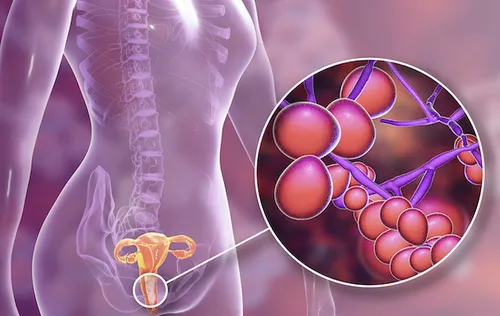
Pregnancy brings significant hormonal and physical changes that can affect vaginal health. As a result, vaginal infection during pregnancy is a common concern and may cause symptoms such as unusual discharge, itching, irritation, redness, or discomfort while urinating. Although some vaginal changes are normal during pregnancy, symptoms that are new, persistent, or unusual should not be ignored.
The type and severity of a vaginal infection can vary, and treatment during pregnancy needs to be chosen carefully to protect both the mother and developing baby. With timely diagnosis and appropriate medical guidance, most vaginal infections can be managed effectively. This guide explains the common types and causes of vaginal infections during pregnancy, their symptoms, available treatment options, prevention measures, and when it is important to consult a healthcare professional.
This condition occurs when the natural balance of bacteria or yeast in the vagina gets disturbed. Pregnancy hormones — especially rising estrogen levels — change the vaginal environment, making it easier for infections to develop. Doctors see this condition regularly during antenatal visits, which is why routine checkups often include a discharge or discomfort screening.
There are three main types worth knowing about.
This movement is a staple in rehabilitation programs for hip, knee, and lower back injuries, and it’s just as valuable for athletes and everyday people looking to build a stronger, more stable core and pelvis.
A vaginal yeast infection is caused by an overgrowth of the fungus Candida. It is one of the most common forms of vaginal infection seen in pregnant women, largely because higher estrogen levels increase sugar (glycogen) content in vaginal tissue, creating a favorable environment for yeast to thrive.
Bacterial vaginosis develops when harmful bacteria outnumber the protective lactobacilli that normally keep the vagina healthy. It is another leading cause of discomfort in pregnancy and needs prompt attention, since untreated BV has been linked to a higher chance of preterm labor.
Less common but still important, trichomoniasis is a parasite-driven vaginal fungal infection-like condition that is usually sexually transmitted. It also falls under the broader group of vaginal infection causes that require proper medical treatment rather than home remedies.
Understanding the vaginal infection causes helps you take preventive steps early. Below are the most common reasons for vaginal infection seen during pregnancy:
Recognizing these causes early can help reduce discomfort and lower the risk of recurring infections during pregnancy. Maintaining good hygiene, wearing breathable cotton underwear, avoiding scented intimate products, and following recommended prenatal care practices can support healthy vaginal balance.
Knowing the vaginal infection symptoms helps you seek treatment before complications arise. Common vaginal yeast infection symptoms, along with general signs of infection, include the following:
If you notice any of these symptoms, it’s important to consult a gynecologist rather than self-diagnosing, since a yeast infection, bacterial vaginosis, and trichomoniasis each require different treatment approaches and medication.
Now to the most important part — how to treat vaginal infection the right way. Treating it during pregnancy is different from treating it at any other time, because not every medication is considered safe for a developing baby. This is exactly why self-medicating is strongly discouraged, no matter how mild the symptoms feel.
For a confirmed vaginal yeast infection, doctors typically prefer pregnancy-safe topical antifungal creams or vaginal suppositories rather than oral antifungal tablets, since certain oral options are avoided during pregnancy. The exact vaginal yeast infection treatment, including the type of vaginal yeast infection medication and how long it should be used, must always be personalized after an in-person examination, as guessing can mask an underlying infection or delay proper care.
When bacterial vaginosis is diagnosed, doctors usually prescribe pregnancy-approved antibiotic creams or oral medication chosen specifically for safety at each stage of pregnancy. Because untreated BV is associated with risks like preterm birth, timely vaginal infection treatment is essential rather than optional, even when symptoms feel manageable.
Understanding how to treat vaginal infection safely comes down to one simple principle: always treat under medical supervision during pregnancy, never through guesswork or advice from unverified sources.
Not every mild irritation needs an emergency visit, but certain signs call for prompt medical attention. See a specialist without delay if you experience heavy or foul-smelling discharge, persistent itching, pelvic pain, fever, or unexpected bleeding.
At Numed Hospital, expecting mothers can consult Dr. Neetu Singh, a senior gynecologist experienced in managing this condition safely at every stage of pregnancy. Her approach focuses on accurate diagnosis first, typically through a simple vaginal swab test, followed by a treatment plan tailored to each trimester to protect both maternal comfort and fetal safety.
Numed Hospital offers dedicated antenatal care with on-site diagnostic support, allowing quick identification of the exact type of infection rather than guessing between a yeast infection, bacterial vaginosis, or a fungal infection. Dr. Neetu Singh’s patient-first approach ensures every pregnant woman receives clear guidance, safe medication, and consistent follow-up care until symptoms fully resolve. The hospital’s antenatal team also monitors recurring infections closely, since some women experience repeat episodes across different trimesters.
Preventing this condition is often easier than treating it. Simple daily habits can meaningfully lower your risk:
This condition is common in pregnancy and, in most cases, easily managed once identified correctly. Whether it’s a yeast infection, bacterial vaginosis, or another type of infection, the safest path is always early diagnosis followed by doctor-guided treatment. Avoid home remedies or unverified medication, and instead consult an experienced specialist who understands pregnancy-safe care.
If you’re experiencing any of the symptoms discussed above, don’t wait — book a consultation with Dr. Neetu Singh at Numed Hospital for a thorough evaluation and a treatment plan designed around your specific stage of pregnancy.
